
you. need. economics.
why you should take this core class + urochester!

econ.
for many students, economics might sound like charts, equations, and words like “elasticity” that feel miles away from real life. but econ isn’t just supply and demand curves; rather, economics focuses on understanding how people, businesses, and entire countries make choices when resources are limited.
when you’re deciding what to buy for lunch, choosing a major, or debating a new policy, you’re thinking like an economist. and the best part? you don’t even realize it.
economics is a core science. it helps you reason and understand the world around you—and you need to know how it works.
here’s a few examples.
⚖️ 1. opportunity cost (why every choice costs more than it seems)
whenever you choose one thing, you’re giving up the next best alternative. that’s your opportunity cost.
spending $20 on a movie means giving up what else you could have done with that $20—like saving for a concert. and the time you spent watching? time you could’ve spent working.
studying an extra hour for chemistry means you lose an hour you could have spent sleeping, relaxing, or studying history.
thinking in terms of opportunity cost helps you make choices that truly match what you value most.

📈 2. marginal analysis (the “one more or nah?” question)
marginal analysis asks: what happens if you add one more?
should you stay up for one more episode? think: is the extra entertainment worth the extra tiredness tomorrow?
should a business hire one more employee? only if the extra output they bring in exceeds their extra cost—too many cooks spoil the broth.
it’s a mindset of weighing the added benefit against the added cost. this is helpful in daily life, studying, and work.
🙂 3. utility maximization (making choices that maximize happiness)
in econ, “utility” means satisfaction or happiness.
when you choose between pizza and sushi, you’re picking what gives you more utility—“utils.”
people budget their time and money to get the most happiness possible from limited resources.
it’s why some people spend on travel instead of gadgets and why your choices might look different from your friend’s.
🏦 4. incentives (why we do what we do)
economists see the world through incentives: rewards or penalties that shape behavior.
a sale at your favorite store encourages you to buy now rather than later.
late fees make you return library books on time.
extra credit makes students study a little harder.
seeing incentives at work helps you understand why people, businesses, and even governments make the choices they do.
and a bonus: externalities are side effects caused by a purchase that affect people other than the buyer and seller. for instance, cigarette smoking is a negative externality—second-hand smoke is a terrible pollutant.

📊 5. sunk cost fallacy (knowing when to let go)
a sunk cost is money, time, or effort you can’t get back. good decision‑making means ignoring it.
if you’ve already paid $15 for a movie ticket but the movie is awful, staying “to get your money’s worth” is irrational. you’re better off leaving and doing something enjoyable.
sticking with a club you hate just because you already invested time is another sunk cost trap.
economics teaches you to focus on future benefits and costs, not past ones you can’t change.
💵 6. supply and demand (why prices change)
this classic econ concept is everywhere:
why gas prices go up during holiday weekends: more demand.
why new tech is expensive at launch and cheaper later: demand falls as novelty fades.
why seasonal items (like winter coats) go on sale in spring.
understanding supply and demand helps you predict when to buy, sell, or wait.
🌎 7. trade‑offs and scarcity (the backbone of all choices)
resources—time, money, talent—are limited, so every choice involves a trade‑off.
going to college in‑state to save money vs. going out‑of‑state for a new experience.
working more hours to earn money vs. having more free time.
economics gives you a framework to think clearly about these trade‑offs and make choices that align with your real goals.
✅ bottom line
econ is a way to understand why we make choices and how we respond to them.
when you think like an economist, everyday decisions become more intentional. more focused.
btw, this one’s a personal one. in 2024, i decided to self-study the economics aps—and it was eye-opening. i don’t necessarily recommend you do the same, but because economics is important and ever-present in an increasingly capitalist world, you may want to consider it!
fun fact
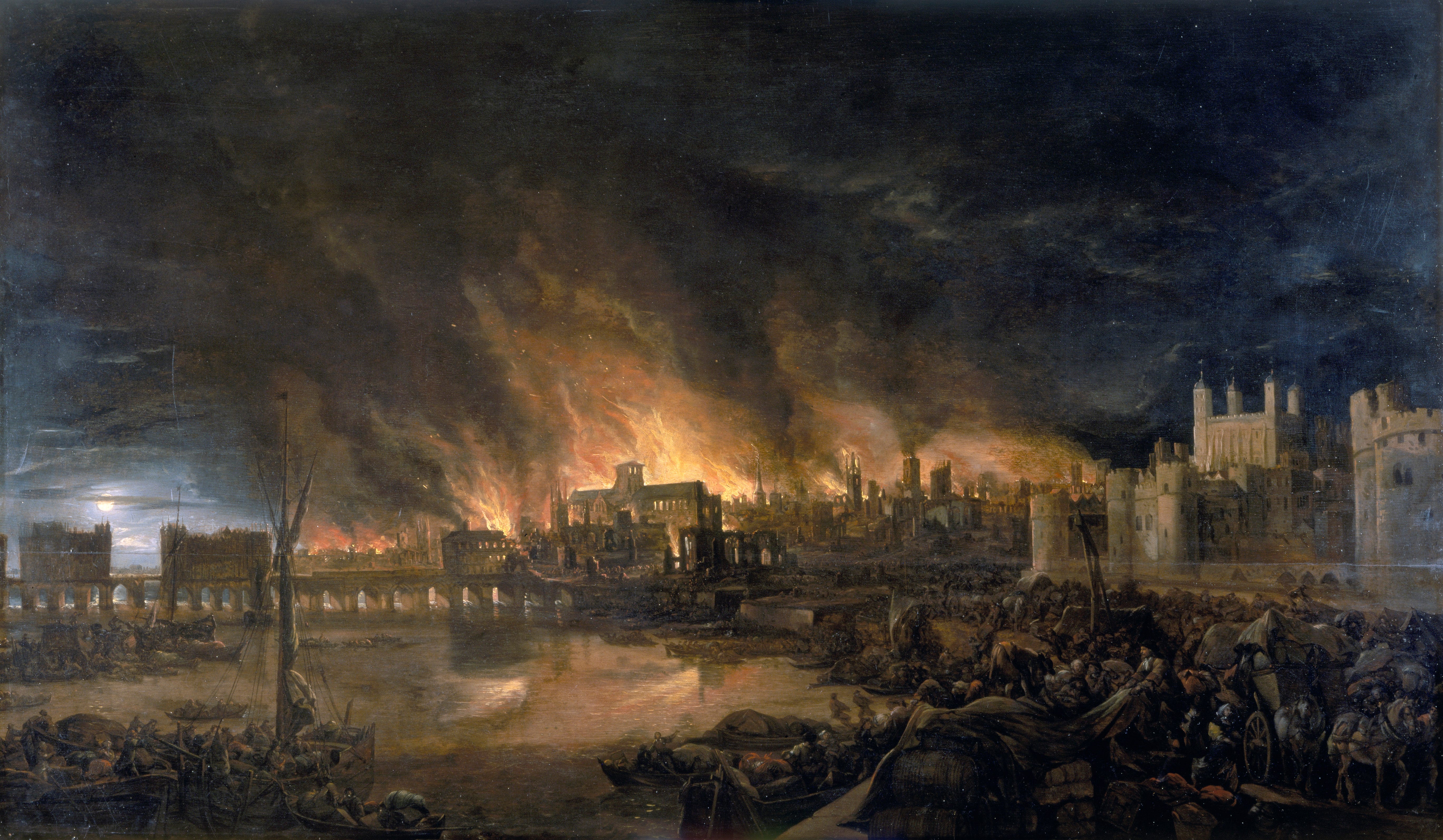
the great fire of london in 1666 destroyed more than 13,500 homes and displaced more than 80,000 people, but amazingly only caused 6 deaths. 🔥🎆 weekly dose of opportunities 🎆
NYU CS4CS 💻
a free, three-week summer program in new york city offering high school students a deep dive into computer science and cybersecurity. open to nyc residents in 10th or 11th grade, this program introduces students to critical tech skills.Girls in STEM Mentorship Program 👩🔬
a mentorship program designed for high school juniors to college juniors, offering guidance in stem fields. participants can choose between research or project-based tracks and have access to both virtual and in-person options. open to international students.COSMOS (California State Summer School for Mathematics and Science) 🔬
a four-week residential program at four different university of california campuses, where high school students explore stem fields through hands-on projects and lab work, providing a comprehensive learning experience in math and science.FSU College of Medicine Summer Institute 🏥
a one-week residential program for rising high school seniors in tallahassee, fl, focusing on medicine. students gain hands-on clinical skills, attend lectures, and participate in workshops to get a taste of medical school life.New Jersey Partners in Science High School Science Mentorships Program 🔬
an eight-week summer program for rising juniors and seniors in new jersey, pairing students with mentors in science, health, and tech fields. participants engage in meaningful, hands-on research in real-world settings.
⭐ college spotlight: University of Rochester ⭐
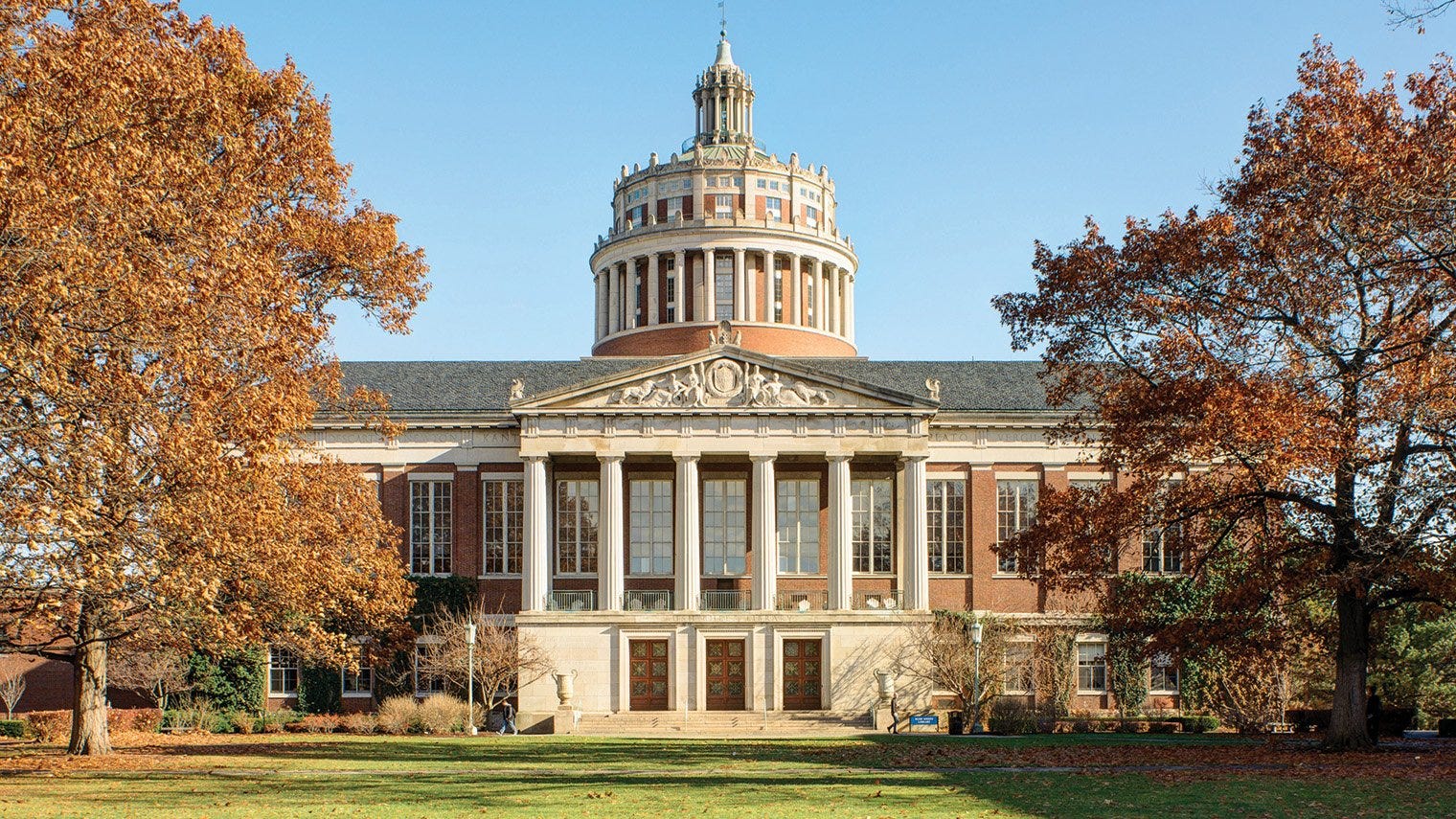
🗽 first impressions:
founded in 1850, the university of rochester is a private research university in rochester, new york, known for its flexible curriculum, strong research opportunities, and tight-knit community. with about 6,500 undergraduates, rochester offers a balance between a liberal arts education and rigorous STEM programs, particularly in optics, engineering, and music.
⭐ rating factors:
campus vibe: a mix of historic and modern buildings with a collaborative and academically driven atmosphere.
academics: highly regarded, especially in optics, engineering, and music (home to the eastman school of music).
student life: strong emphasis on research and academics, but also home to unique traditions and active student organizations.
location: rochester is a mid-sized city with seasonal weather; lots of snow but also plenty of outdoor activities.
cost of living: relatively affordable compared to other top private universities; strong financial aid options.
🎉 cool events/traditions:
boar’s head dinner: an annual medieval-themed banquet celebrating rochester traditions.
dandelion day (d-day): a spring festival with music, food, and games to celebrate the end of the academic year.
midnight ramblers: rochester’s famous all-male a cappella group that frequently performs on campus.
💡 core school values:
flexibility: the open curriculum allows students to shape their own academic paths without general education requirements.
innovation and research: strong emphasis on hands-on learning and research opportunities.
collaboration: a supportive community that encourages teamwork and cross-disciplinary learning.
🎓 program highlights:
institute of optics: the first and top-ranked optics program in the u.s., producing leaders in the field.
eastman school of music: one of the best music conservatories in the world, offering top-tier music education.
hajim school of engineering and applied sciences: known for strong programs in biomedical and mechanical engineering.
🎯 did you know?
rochester researchers helped develop lasik eye surgery and the blue m&m dye, which is used in medical imaging!
***special note: we are NOT sponsored or affiliated with any organizations, corporations, or schools highlighted in the above content. mention of any of the aforementioned groups is not representative of an advertisement or any sort of recommendation. schools and programs are randomly selected.***