
Don't fail your AP exams 😭
how to study properly + rice university feature!

so, exam season is near.
let me guess… you're prepping for APs and big finals?
the idea of studying can be no fun.
you’ve probably heard of parkinson’s law. it’s that productivity principle that says, "work expands to fill the time available."
but, have you heard of ingvar’s rule?
this week, we’ve also got a spotlight on rice university and some exciting new opportunities as always!
the grind never stops…

destroy your AP exams with THIS
Cyril Northcote Parkinson, the guy behind this law, noticed a pattern back in 1955. people take as much time as they’re given for tasks, whether or not they need that time. it’s a natural response to deadlines: the closer the deadline, the sharper our focus. it’s why you can binge-study an entire semester's worth of notes the night before the exam, and it’s also why we leave things to the last minute.
parkison’s law is simple:

“work expands to fill the time available for its completion.”
if you give yourself a month to prepare for an AP exam, guess what? that entire month will probably be spent doing everything but truly focused studying.
procrastination is real, and the more time you give yourself, the more room there is for distractions.
![Parkinson's Law: Overcome It to Increase Productivity [2024] • Asana](https://substackcdn.com/image/fetch/$s_!S1yA!,f_auto,q_auto:good,fl_progressive:steep/https%3A%2F%2Fsubstack-post-media.s3.amazonaws.com%2Fpublic%2Fimages%2Ff3a92a2b-a2ec-4b06-bec2-76c8aef97aa4_1801x1468.jpeg "Parkinson's Law: Overcome It to Increase Productivity [2024] • Asana")
but be careful, because you don't want to set unrealistic deadlines. this isn’t an excuse to cram. it’s about creating time-bound blocks that challenge your brain to perform at its best. for instance, instead of starting a review session with no end time in sight, decide to wrap it up in 30 minutes.
this doesn’t mean rushing; it means making your study time more intentional.
enter: ingvar’s rule
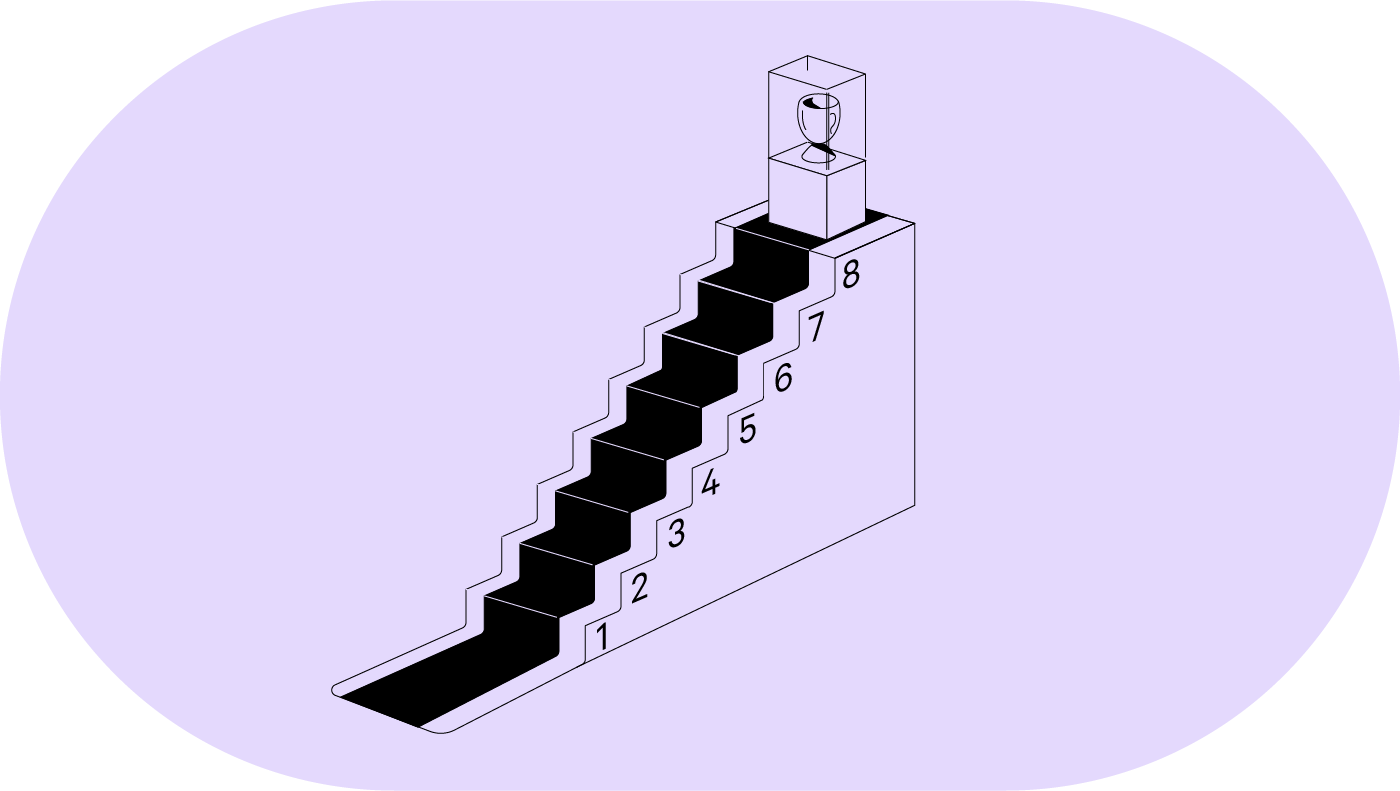
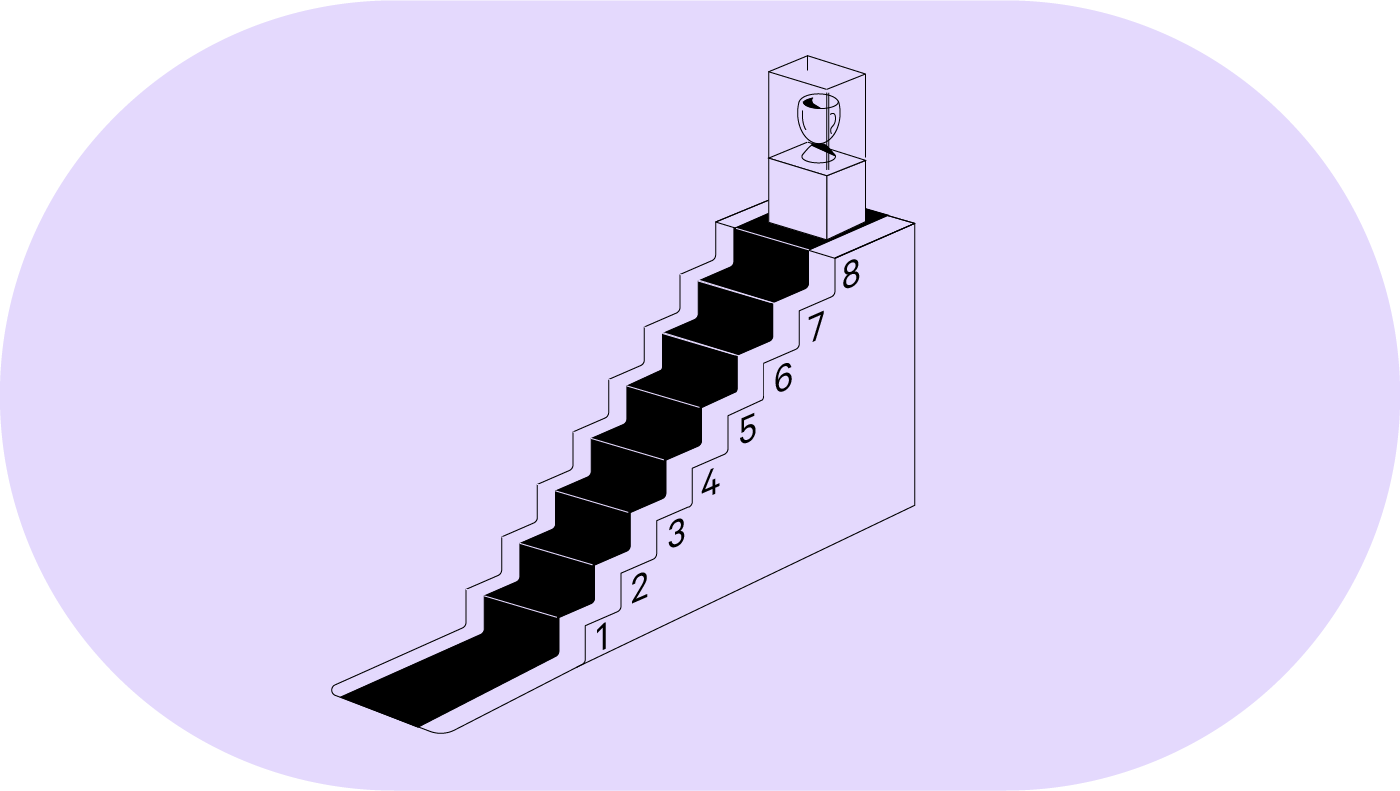
so, let’s talk about Ingvar Kamprad. if you don’t know, he’s the IKEA founder who famously said, “If you split your day into ten-minute increments, and you try to waste as few of those ten minute increments as possible, you’ll be amazed at what you can get done.”
pretty wild, right?
here’s how you can apply this to studying:
break tasks into ten-minute chunks: instead of “studying AP Biology,” aim for “mastering the cell cycle in ten minutes.”
ten-minute review sessions: the night before the exam, go over five key points—ten minutes each. you’ll have fresh concepts in your head without overwhelming yourself.
these ten-minute chunks change your entire approach. you’re not locking yourself into hours of study—just enough time to make real progress.
how does this work for AP prep?
short deadlines = focused effort: setting artificial, shorter deadlines forces you to focus on what matters. no time to second-guess, no time to wander through your notes. just what needs to get done, now.
studying with intensity: by limiting your study periods, you’ll find you actually get more done in less time. think of it as a sprint, not a marathon.
questions to reflect on:
are you overcomplicating your study sessions? is there a tendency to drag things out because you think you have more time than you need?
what would happen if you set a tight deadline for each subject? how might you approach AP prep differently if you forced yourself to work within these constraints?
like always, think.
i want to provide thinking exercises for you guys… it’s a good way to start off the day.
fun fact:

venus is the only planet in our solar system that rotates clockwise. 🌍🎆 weekly dose of opportunities 🎆
Multicultural Visitation Program 🏫
hosted by the university of rochester, this program offers high school seniors from diverse backgrounds the opportunity to visit campus, connect with faculty and students, and explore academic and social life at the university.Brower Youth Awards 🌎
these awards recognize outstanding young environmental leaders who have created positive change in their communities. winners receive a cash prize, a professional film about their work, and national recognition for their efforts in sustainability and activism.Leadership in the Business World 💼
this wharton summer program gives high school students hands-on experience in business leadership. participants engage in interactive courses, real-world case studies, and networking opportunities with industry professionals.Stanford Center for Neuroscience and Innovation Exchange 🧠
this program fosters collaboration between students, researchers, and professionals in neuroscience and mental health innovation. participants explore cutting-edge research and engage in discussions about the future of psychiatric and neurological advancements.AAPA National Medical Challenge Bowl ⚕️
a fast-paced medical knowledge competition for physician assistant students, hosted by the american academy of physician associates. participants compete in teams, answering clinical questions in a game-show format to showcase their medical expertise.
⭐ college spotlight: rice university ⭐
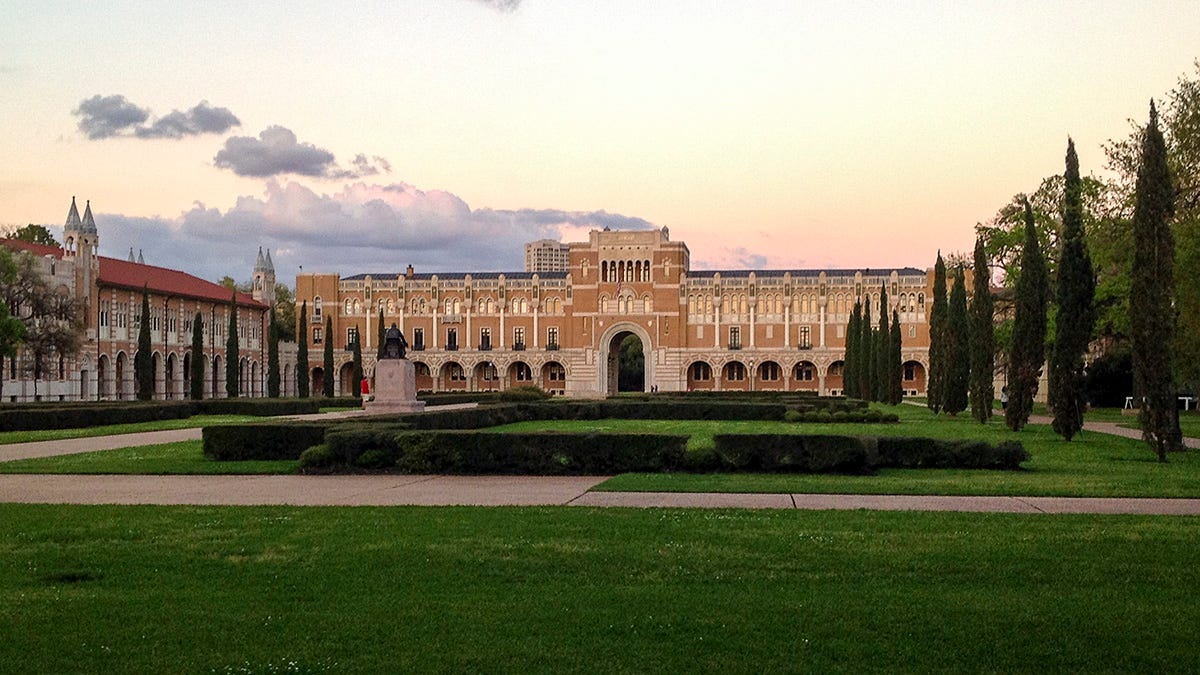
🗽 first impressions:
founded in 1912, rice is a top-tier research university in houston, texas, known for its strong STEM programs and collaborative atmosphere. with just over 8,000 students, rice offers the resources of a major university while maintaining a tight-knit community.
⭐ rating factors:
campus vibe: friendly, welcoming, and full of quirky traditions; spanish-style architecture with lots of green space.
academics: elite, especially in engineering, computer science, and nanotechnology.
student life: tons of unique traditions, but no greek life—students are sorted into residential colleges instead.
location: houston offers great job opportunities and culture, but the heat is intense.
cost of living: houston is relatively affordable compared to other major cities.
🎉 cool events/traditions:
beer bike: a campus-wide relay race involving bikes, chugging, and extreme competitiveness.
o-week: an intense, fun-filled orientation that helps new students bond.
baker 13: students run around campus in nothing but shaving cream on the 13th of every month.
💡 core school values:
collaboration: rice fosters a strong culture of teamwork over competition.
innovation: heavy focus on cutting-edge research and entrepreneurship.
accessibility: generous financial aid and a low student-to-faculty ratio.
🎓 program highlights:
rice-baylor medical scholars program: an accelerated path to medical school.
computational and applied mathematics: a top-ranked program in data science and AI.
shepherd school of music: one of the nation’s best conservatories.
🎯 did you know?
rice has an underground network of tunnels beneath campus, but students aren’t allowed to explore them. officially.
***special note: we are NOT sponsored or affiliated with any organizations, corporations, or schools highlighted in the above content. mention of any of the aforementioned groups is not representative of an advertisement or any sort of recommendation.***